AI agent security: what to check before connecting your accounts
A practical permissions checklist for AI agents: separate reading from sending, review sensitive actions, and learn how to stop scheduled work.
 endue
endueProduct news and engineering notes from the team building endue.
A practical permissions checklist for AI agents: separate reading from sending, review sensitive actions, and learn how to stop scheduled work.
Compare October 2026 subscription prices and working styles, then use a simple task trial to choose an AI for writing, research, spreadsheets, or coding.

A beginner’s guide to dots and Muse: access conditions, useful first tasks, permission settings, and a practical way to evaluate your first week.
Evaluate coding agents with the same task, acceptance criteria, review time, and cost per successful result. Includes a reusable task prompt and recording table.
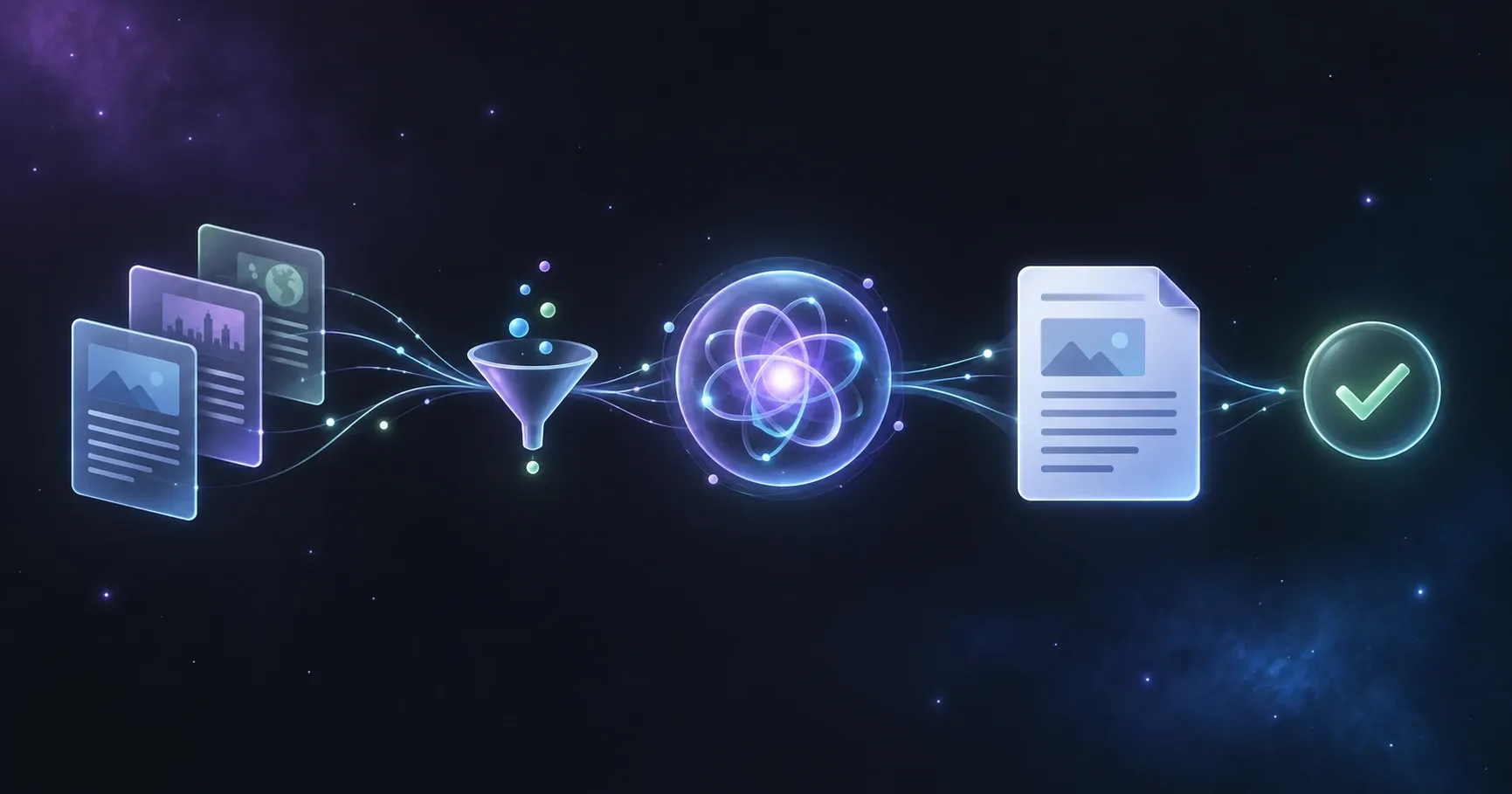
Collect recent news, remove duplicates, retrieve original sources, and save a reviewable blog draft. A practical guide with prompts, failure handling, and cost controls.
Three days after launch, a second look at Gemini 4 Argon from an operator's seat. Where it leads and trails by type of work, what a task really costs, what a 1M-token output and a guardrail-free tier mean for how you run agents, and what you can prepare before the API opens.
A tour of the endue console, from the home board to approval cards, the Studio canvas and Spaces. Why the interface of an agent product is a control surface, how many minutes a fixed layout saves, and how often other AI apps rearranged their screens over the last four months, with dates.
Google's first Gemini 4 model leads 12 of the 18 benchmarks it published, writes up to 1M tokens per response and starts at $2/$10 per million tokens. Only vetted cyber defenders can use it today. Here are the key numbers, what independent testers measured and where people are skeptical.
Google's first Gemini 4 model leads 12 of the 18 benchmarks in its own table, and the public leaderboards mostly agree. This post goes through who ran which test, how many tokens Argon spends per task, what a 1M-token response costs, and why only cyber defenders can use it today.
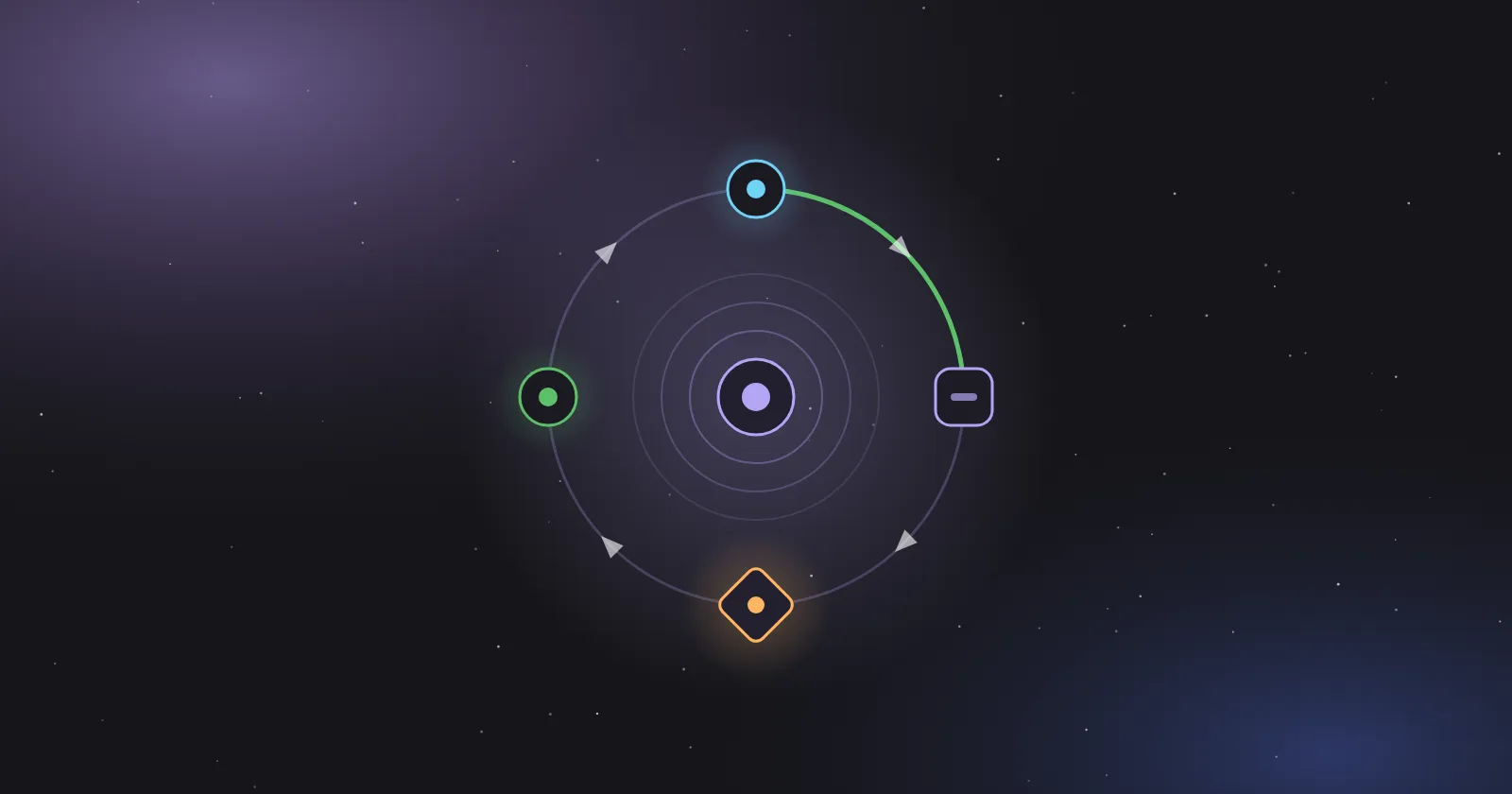
Three days after launch, a systems view of Dots. It covers the cloud computer each one runs on, how a goal turns into actions, the checks that sit in between, what OpenAI's own tests say about where it slips, what changed since DevDay, and what you would need to build the same thing yourself.
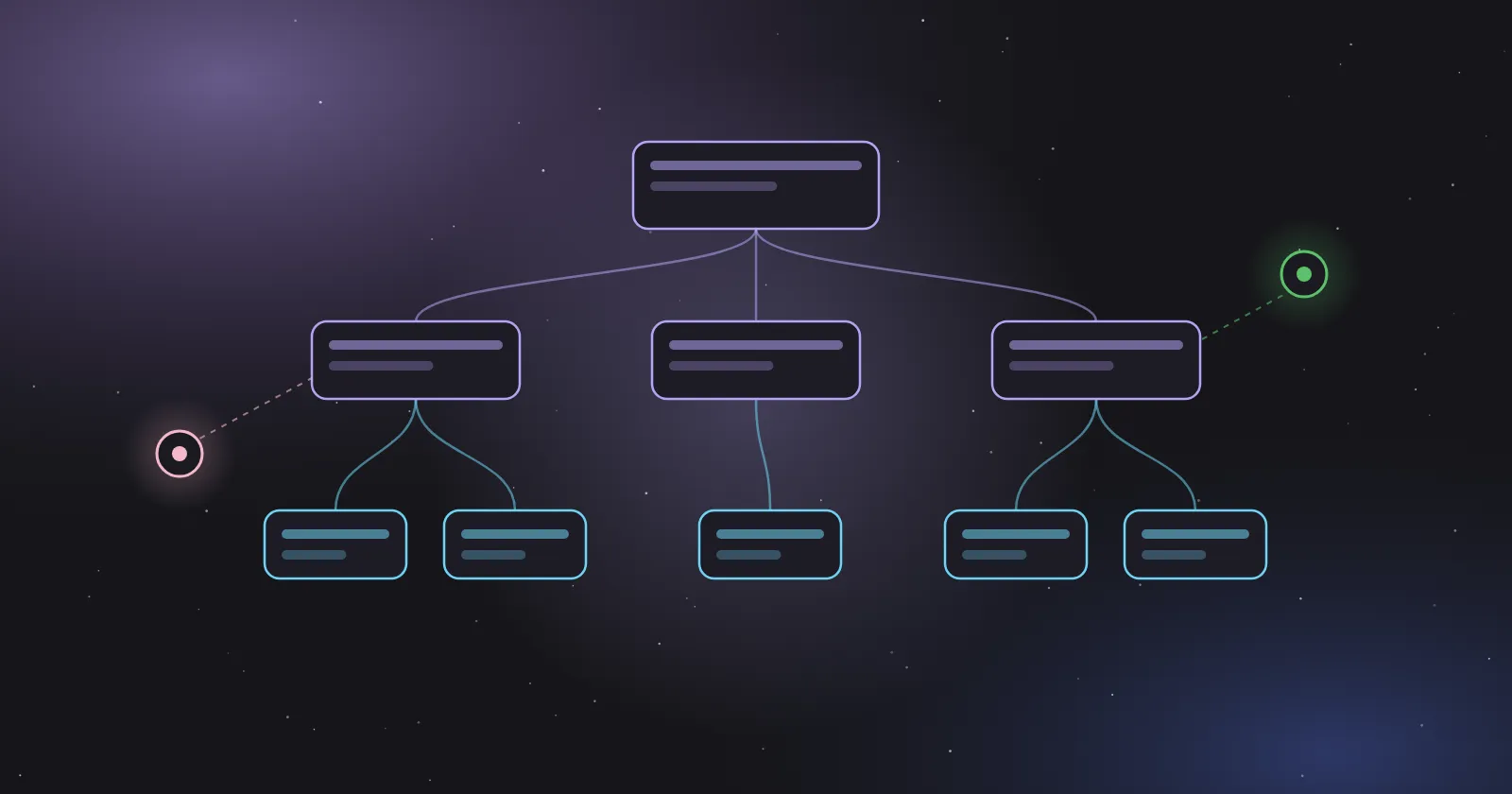
An engineer's look at ChatGPT Space three days after launch. How spaces, pages and files fit together, how access is inherited, what each person's agent can see, what the Compliance API exports, and what is still missing, from export to version history.
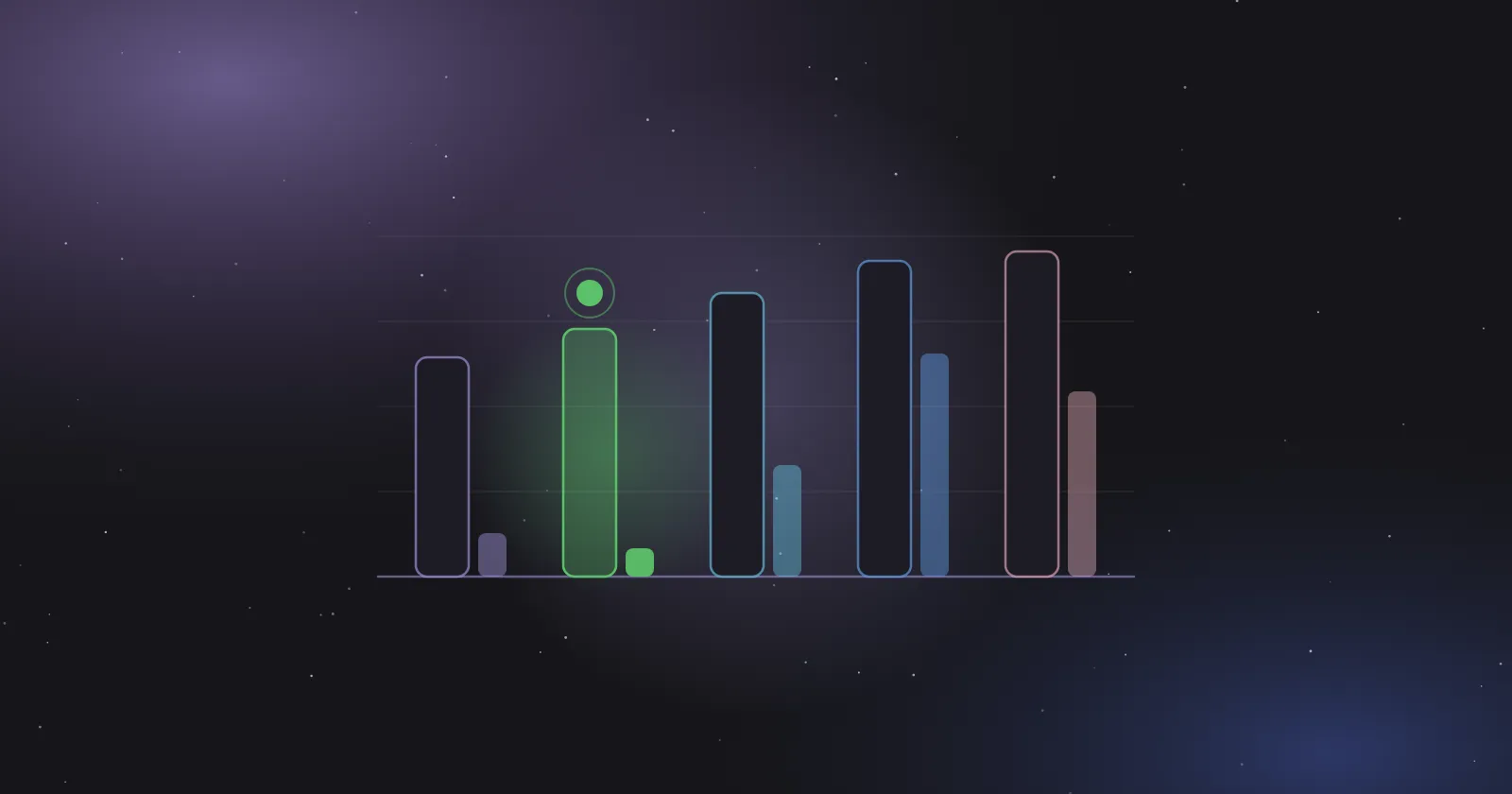
Artificial Analysis puts GPT-6.1 Sol one point below GPT-6 Astra at under a quarter of Astra's cost per task, and at about a tenth of Claude Sonnet 5.5's despite the same list price. Early user tests, live OpenRouter data, switching gotchas and the safety numbers.